Syngonium Orm Nak: The Fascinating Plant Everyone Should Know About
Are you looking for a new plant to add to your collection? Look no further than the Syngonium Orm Nak. This unique plant, also known as the Arrowhead Vine, is a must-have for any indoor gardener. With its unusual shape and vibrant colors, it's sure to be a conversation er in your home.
What is Syngonium Orm Nak?
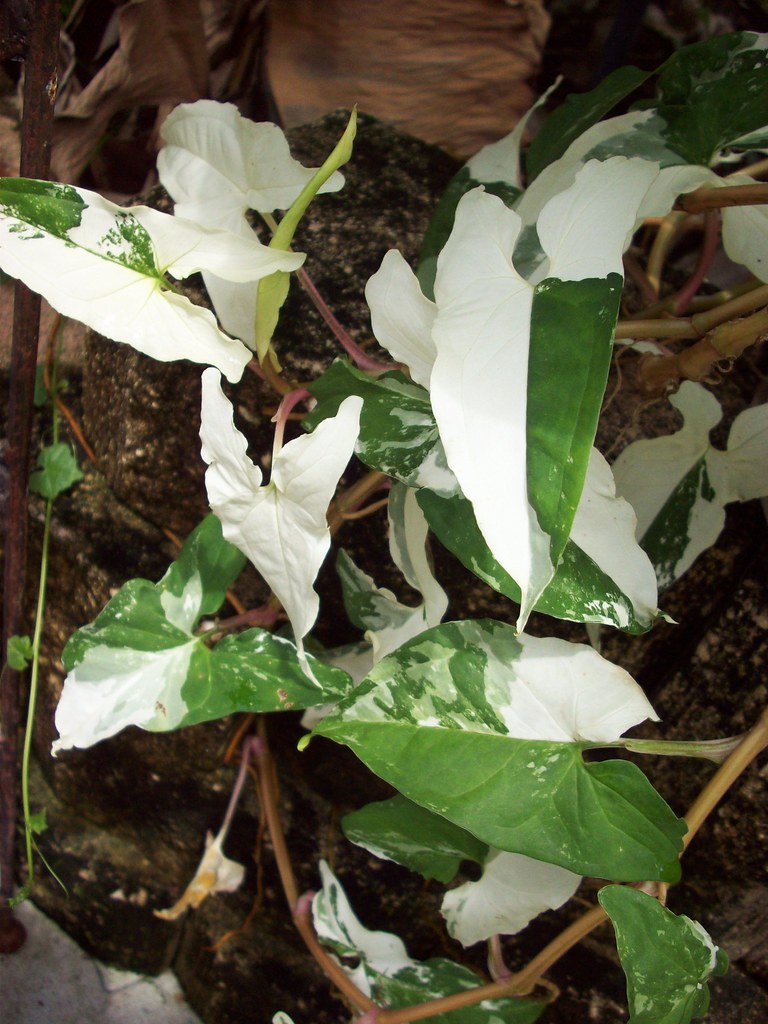
Syngonium Orm Nak is a tropical plant native to Central and South America. It belongs to the Araceae family, which includes other popular houseplants such as Philodendrons and Monsteras. The plant features arrow-shaped leaves that grow on long, thin stems. When young, the leaves are a bright pink color, but they gradually turn green as they mature.
How to Care for Syngonium Orm Nak
If you're considering adding a Syngonium Orm Nak to your collection, it's important to know how to care for it properly. Here are some tips to keep your plant healthy and thriving:
Light
Syngonium Orm Nak prefers bright, indirect light. Direct sunlight can scorch its leaves, so it's best to place it near a window that receives filtered light.
Watering
Like most tropical plants, Syngonium Orm Nak likes to be kept moist. Water your plant once a week or when the top inch of soil feels dry. Be careful not to overwater, as this can lead to root rot.
Temperature and Humidity
Syngonium Orm Nak thrives in warm, humid environments. Keep your plant in a room with temperatures between 60-85°F and humidity levels between 40-60%.
Soil
Use a well-draining potting mix when planting your Syngonium Orm Nak. Adding perlite or sand can help improve drainage.
Fertilizer
Feed your plant with a balanced, water-soluble fertilizer every month during the growing season (spring and summer).
Propagating Syngonium Orm Nak
If you want to propagate your Syngonium Orm Nak, it's relatively easy to do so. Here are the steps:
- Cut a healthy stem from the mother plant that has at least one node.
- Place the stem cutting in a jar of water, making sure the node is submerged.
- Change the water every few days to prevent bacteria growth.
- After a few weeks, roots should to grow from the node.
- Once the roots are about an inch long, you can transfer the cutting to soil.
Pests and Diseases
Like all plants, Syngonium Orm Nak is susceptible to pests and diseases. Some common issues include spider mites, mealybugs, and root rot. To prevent these problems, make sure to keep your plant clean and well-maintained. If you do notice signs of pests or disease, treat them promptly with an organic insecticide or fungicide.
Toxicity
While Syngonium Orm Nak is a beautiful plant, it's important to note that it is toxic to humans and pets if ingested. Keep it out of reach of children and animals, and wash your hands thoroughly after handling it.
Decorating with Syngonium Orm Nak
In addition to being a great plant for purifying the air and adding color to your home, Syngonium Orm Nak is also versatile when it comes to decorating. Here are some ideas:
- Use it as a hanging plant to add dimension to a room
- Place it on a bookshelf or mantel for added texture
- Propagate it and create a mini garden in a terrarium
Syngonium Orm Nak Varieties
Syngonium Orm Nak comes in many different varieties, each with its own unique characteristics. Here are some popular ones:
- Syngonium 'White Butterfly': This variety has white and green variegated leaves that resemble butterfly wings.
- Syngonium 'Neon Robusta': With bright pink leaves, this plant is sure to make a statement in any room.
- Syngonium 'Maria Allusion': This plant has green and white variegated leaves with a pink undertone.
Syngonium Orm Nak vs. Philodendron
If you're new to indoor gardening, you may be wondering how Syngonium Orm Nak differs from other popular houseplants like Philodendrons. While both plants belong to the Araceae family, there are a few key differences. Syngonium Orm Nak has arrow-shaped leaves that grow on thin stems, while Philodendrons have larger, heart-shaped leaves on thicker stems. Additionally, Syngonium Orm Nak prefers brighter light than most Philodendrons.
Syngonium Orm Nak is a fascinating plant that deserves a spot in your indoor garden. With its unique shape and vibrant colors, it's sure to add a pop of interest to any room. By following these care tips, you can keep your plant healthy and thriving for years to come.
Frequently Asked Questions
1. Is Syngonium Orm Nak a low-light plant?
No, Syngonium Orm Nak prefers bright, indirect light.
2. Can Syngonium Orm Nak survive in cold temperatures?
No, Syngonium Orm Nak thrives in warm environments and should be kept between 60-85°F.
3. How often should I water my Syngonium Orm Nak?
Water your plant once a week or when the top inch of soil feels dry.
4. Is Syngonium Orm Nak toxic to pets?
Yes, Syngonium Orm Nak is toxic to humans and pets if ingested.
5. Can I propagate my Syngonium Orm Nak in soil instead of water?
Yes, you can propagate your plant by placing the stem cutting directly into soil.
6. How often should I fertilize my Syngonium Orm Nak?
Feed your plant with a balanced, water-soluble fertilizer every month during the growing season (spring and summer).
7. What are some common pests and diseases that affect Syngonium Orm Nak?
Spider mites, mealybugs, and root rot are all potential problems for Syngonium Orm Nak.
8. What are some creative ways to decorate with Syngonium Orm Nak?
You can use it as a hanging plant, place it on a bookshelf or mantel, or create a mini garden in a terrarium.
9. How does Syngonium Orm Nak differ from Philodendrons?
Syngonium Orm Nak has arrow-shaped leaves that grow on thin stems, while Philodendrons have larger, heart-shaped leaves on thicker stems.
10. What are some popular Syngonium Orm Nak varieties?
Some popular varieties include 'White Butterfly', 'Neon Robusta', and 'Maria Allusion'.
11 Syngonium orm nak Images

Syngonium Podophyllum Jardins Co Pinterest Farms And Plants

Syngonium Angustatum Araceae Pinterest

Syngonium Orm Nak Red Elizaveta Terentieva In 2021 Variegated

Hi2tree On Instagram Syngonium Orm Manee 3 Beautiful Syngonium

35 Best Images About Syngonium On Pinterest Catalog Tags And Messages

35 Best Syngonium Images On Pinterest Plants Climbers And Container

Pink Syngonium Podophyllum Syngonium Regina Green Thumb
1000 Images About Syngonium On Pinterest

Syngonium Red Spot

Syngonium Pink Spot In 2021 Plant Leaves Syngonium Plant Variegated

Syngonium Podophyllum Randy Jardinera
Post a Comment for "Syngonium Orm Nak: The Fascinating Plant Everyone Should Know About"