Anthurium Light Requirements: Everything You Need to Know
If you are someone who loves plants, then you would know how crucial it is to provide them with the right amount of light. When it comes to the Anthurium plant, light is one of the most important factors that determine its growth and well-being. But what exactly are Anthurium light requirements? How much light does this plant need? In this blog post, we will explore everything you need to know about Anthurium light requirements.
Anthuriums are popular houseplants that are known for their beautiful, heart-shaped flowers and glossy, dark green leaves. They are native to tropical regions, which means they thrive in warm and humid conditions. These plants require a lot of care and attention, including proper lighting.
Light is essential for photosynthesis, which is the process by which plants produce food. Without sufficient light, the Anthurium plant will not be able to grow properly. However, too much light can also be harmful to the plant. Therefore, it is important to understand the Anthurium light requirements to ensure that your plant stays healthy and thriving.
Factors Affecting Anthurium Light Requirements
Several factors can affect the Anthurium light requirements, including:
- Type of Anthurium Plant: Different types of Anthurium plants have different light requirements. For example, some varieties require high-intensity light, while others prefer low to moderate light levels.
- Location: The location of your Anthurium plant can also affect its light requirements. If your plant is placed near a window facing south, it will receive more intense sunlight than if it were placed near a window facing north.
- Season: The amount of light your Anthurium plant needs can vary depending on the season. During the summer months, when there is more daylight, your plant may require more light than during the winter months, when there is less daylight.
Ideal Light Conditions for Anthurium Plants
Anthurium plants thrive in bright but indirect light. Direct sunlight can be harmful to the plant, causing its leaves to burn and turn yellow. Therefore, it is best to place your Anthurium plant in a spot that receives filtered or diffused light.
If you are growing Anthuriums indoors, then placing them near an east-facing window is ideal. East-facing windows receive morning sun, which is not as intense as afternoon sun. If you do not have an east-facing window, then placing your plant near a north-facing window is also a good option. North-facing windows receive the least amount of direct sunlight throughout the day, making them perfect for Anthurium plants.
Low Light Anthurium Plants
Some varieties of Anthurium plants can tolerate low-light conditions. These plants have adapted to grow in the understory of tropical forests, where they receive only dappled sunlight. If you have a low-light area in your home, then you can consider growing one of these Anthurium varieties:
- Anthurium Crystallinum: This plant has large, dark green leaves with prominent white veins. It can grow up to 2 feet tall and prefers low to moderate light levels.
- Anthurium Clarinervium: This plant has heart-shaped leaves with prominent white veins. It can grow up to 3 feet tall and prefers low to moderate light levels.
- Anthurium Forgetii: This plant has velvety, dark green leaves with white veins. It can grow up to 2 feet tall and prefers low to moderate light levels.
High Light Anthurium Plants
On the other hand, some Anthurium plants require high-intensity light to thrive. These plants have adapted to grow in areas where they receive direct sunlight for several hours a day. If you want to grow one of these Anthurium varieties, then you will need to provide them with bright, direct light:
- Anthurium Regale: This plant has large, glossy leaves with a thick texture. It can grow up to 6 feet tall and requires high-intensity light.
- Anthurium Warocqueanum: This plant has dark green leaves with prominent veins. It can grow up to 4 feet tall and requires high-intensity light.
- Anthurium Bakeri: This plant has heart-shaped leaves with a dark green color. It can grow up to 3 feet tall and requires high-intensity light.
How to Provide Adequate Light for Anthurium Plants
Now that you know the ideal light conditions for Anthurium plants, it's time to learn how to provide them with adequate light. Here are some tips to keep in mind:
- Avoid Direct Sunlight: As mentioned earlier, direct sunlight can be harmful to Anthurium plants. Therefore, it is best to place your plant in a spot that receives filtered or diffused light.
- Rotate Your Plant: If your Anthurium plant is only receiving light from one direction, then its growth may become uneven. To ensure that your plant grows evenly, rotate it every week or so.
- Use Artificial Lighting: If you do not have access to natural light, then you can use artificial lighting to provide your Anthurium plant with the right amount of light. LED grow lights are a good option as they are energy-efficient and emit very little heat.
Common Light-related Problems with Anthurium Plants
If your Anthurium plant is not getting enough light, then it may show some signs of distress. Here are some common light-related problems that you may encounter:
- Yellow Leaves: If your Anthurium plant's leaves are turning yellow, then it may be getting too much light. Move the plant to a spot that receives less intense sunlight.
- Slow Growth: If your Anthurium plant is growing slowly, then it may not be getting enough light. Move the plant to a spot that receives more light or use artificial lighting to supplement its needs.
- Leaf Drop: If your Anthurium plant is dropping leaves, then it may be due to a lack of light. Move the plant to a spot that receives more light, and make sure that it is not exposed to direct sunlight.
In conclusion, Anthurium light requirements are an essential factor in keeping your plant healthy and thriving. Different types of Anthurium plants have different light requirements, and it is important to understand these requirements to ensure that your plant grows properly. Remember to avoid direct sunlight, rotate your plant, and use artificial lighting if necessary.
Frequently Asked Questions
Q1: How much light does an Anthurium plant need?
Anthurium plants require bright but indirect light. Direct sunlight can be harmful to the plant, causing its leaves to burn and turn yellow.
Q2: Can Anthurium plants grow in low-light conditions?
Yes, some varieties of Anthurium plants can tolerate low-light conditions. These plants have adapted to grow in the understory of tropical forests, where they receive only dappled sunlight.
Q3: Can Anthurium plants grow in direct sunlight?
Some Anthurium plants require high-intensity light to thrive. However, most Anthurium plants should be placed in a spot that receives filtered or diffused light to avoid leaf burn.
Q4: Can I grow Anthurium plants indoors?
Yes, Anthurium plants can be grown indoors as long as they receive adequate light and humidity.
Q5: What type of lighting is best for Anthurium plants?
LED grow lights are a good option as they are energy-efficient and emit very little heat.
Q6: How often should I rotate my Anthurium plant?
To ensure that your Anthurium plant grows evenly, rotate it every week or so.
Q7: Can Anthurium plants be grown outside?
Anthurium plants are tropical plants and require warm and humid conditions to grow. Therefore, they are best suited for indoor growing.
Q8: Can Anthurium plants grow in water?
Yes, Anthurium plants can be grown in water, but they will require additional care and attention to thrive.
Q9: How can I tell if my Anthurium plant is getting too much light?
If your Anthurium plant's leaves are turning yellow, then it may be getting too much light. Move the plant to a spot that receives less intense sunlight.
Q10: How can I tell if my Anthurium plant is not getting enough light?
If your Anthurium plant is growing slowly or dropping leaves, then it may not be getting enough light. Move the plant to a spot that receives more light or use artificial lighting to supplement its needs.
12 Anthurium light requirements Images

Anthurium Clavigerum Anthurium Plants Tropical Plants

Anthurium Big Red Bird Anthurium Sect Pachyneurium Anthurium

Pin On Garden

Anthurium Vittarifolium Anthurium Vittarifolium Anthurium Plants

Pin On Flower

Anthuriums How To Care For This LongBlooming And Tropical Houseplant

Anthurium Anthurium The Plant Looks Like An Anthurium Endemic To

Anthurium Superbum Big Red Bird Plowmanii These Guys Love
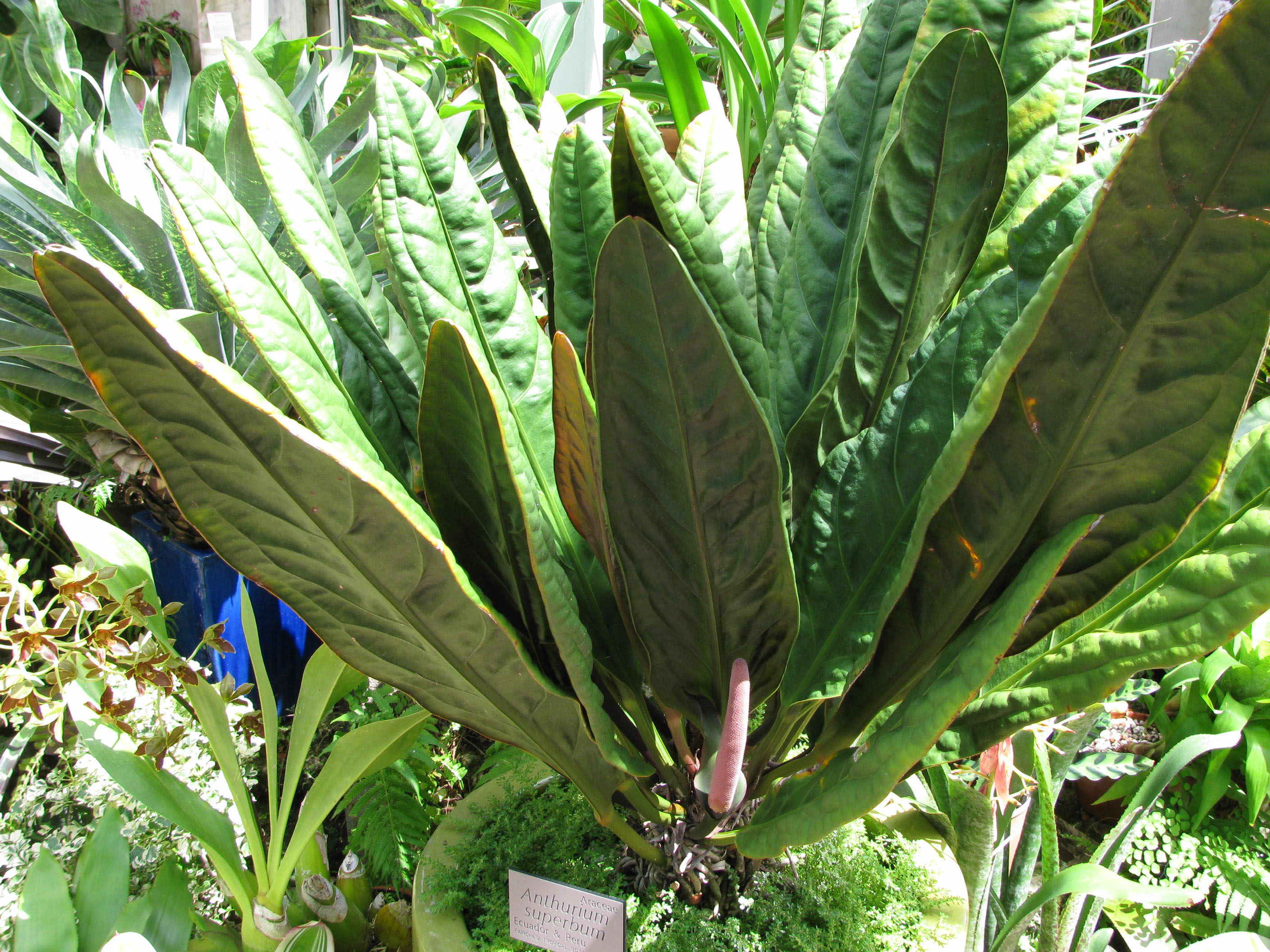
Anthurium Wendlingeri Rare Epiphytic Aroid Orchid Ally Tropical Plant

Anthurium Hybrid Giant Chocolate Is A Very Pretty Anthurium With

Anthuriumgreat Flowering Office Plant Care Tips Httpswww

Anthurium Clarinervium Care Guide How To Propagate And Make It Thrive
Post a Comment for "Anthurium Light Requirements: Everything You Need to Know"